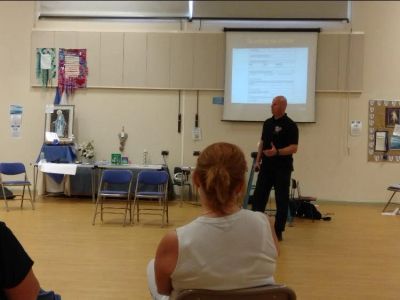
What the Training Covers

Understanding conflict triggers
Frustration, unmet needs, trauma, stress, and environmental factors can all contribute to escalation. This is why implementing effective communication strategies and providing thorough de-escalation training are essential.
Early intervention and de‑escalation
Effective communication strategies are essential for reducing tension, maintaining professionalism, and enhancing de-escalation training to prevent escalation.
Behavioural escalation patterns
Recognising early warning signs, employing effective communication strategies, understanding crisis behaviour, and focusing on post-incident recovery are essential components of successful de-escalation training.
Fight / Flight / Freeze responses
How human physiology impacts decision-making and communication strategies during conflict, especially within the framework of de-escalation training.
Dynamic risk assessment
Assessing risk moment-to-moment requires effective communication strategies, the selection of safe options, and maintaining situational awareness, all of which are vital components of comprehensive de-escalation training.
Managing confrontational behaviour
Effective communication strategies are crucial for professional responses to verbal aggression, intimidation, refusal, boundary-testing, and emotional dysregulation, making them essential components of de-escalation training.

Personal safety principles
Frustration, unmet needs, trauma, stress, and environmental factors can all contribute to escalation. This is why implementing effective communication strategies and providing thorough de-escalation training are essential.
Post‑incident reflection and reporting
Effective communication strategies are essential for reducing tension, maintaining professionalism, and enhancing de-escalation training to prevent escalation.
Who This Training Is For
Housing and tenancy officers
Charity and community organisations
Youth workers and support staff

Youth workers and support staff
Charity and community organisations
Youth workers and support staff
Charity and community organisations
Charity and community organisations
Reception, security and front‑of‑house teams
Reception, security and front‑of‑house teams
Public‑facing roles within councils and services
Reception, security and front‑of‑house teams
Education and pastoral staff
Public‑facing roles within councils and services
Public‑facing roles within councils and services
Public‑facing roles within councils and services
Public‑facing roles within councils and services
Public‑facing roles within councils and services
WHY CHOOSE SAFE TEACH UK?
Safe Teach UK training is grounded in real-world experience rather than theory alone.
✓ Over 24 years' frontline experience
✓ Experienced professional trainers
✓ Practical scenario-based learning
✓ Training tailored to your organisation
✓ Prevention and de-escalation focused
✓ Dynamic risk assessment
✓ Practical communication strategies
✓ Training delivered at your workplace
✓ Manchester, North West & UK-wide delivery